Bối cảnh thị trường: Chất lượng cạnh trong hoạt động xẻ kim loại
Các dây chuyền xẻ kim loại được sử dụng rộng rãi trong ngành chế biến thép, sản xuất dải nhôm và các ngành công nghiệp sản xuất kim loại khác. Các hệ thống sản xuất này được thiết kế để cắt các cuộn kim loại thành các dải có chiều rộng chính xác cho các ứng dụng hạ nguồn như dập, tạo hình cuộn hoặc sản xuất linh kiện.
Một trong những chỉ số chất lượng quan trọng nhất trong hoạt động xẻ là chất lượng cạnh. Các cạnh dải sạch và nhất quán là cần thiết để duy trì độ chính xác của sản phẩm và ngăn ngừa các vấn đề trong quá trình xử lý tiếp theo. Tuy nhiên, khi hoạt động xẻ liên quan đến tốc độ sản xuất cao và chiều rộng dải hẹp, việc duy trì chất lượng cạnh ổn định trở nên khó khăn hơn.
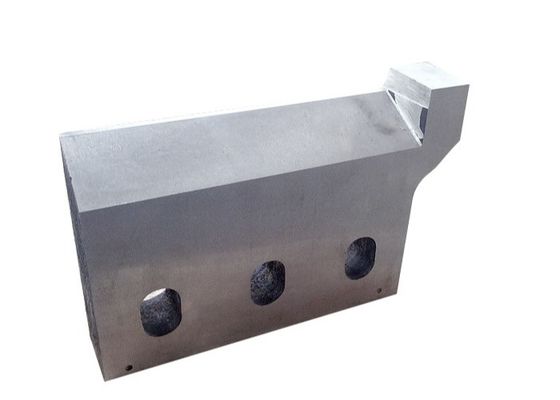
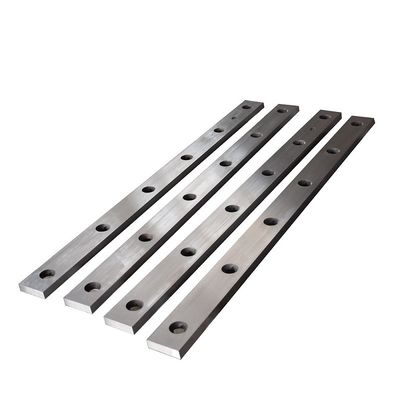
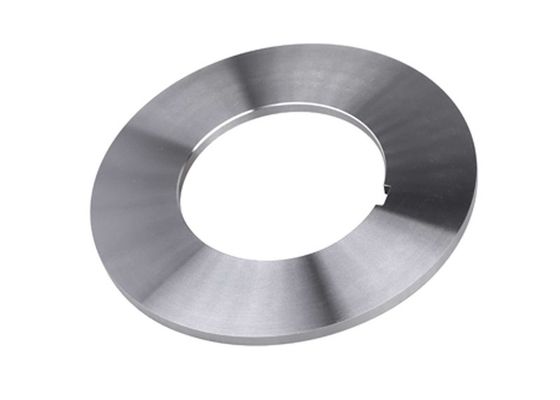
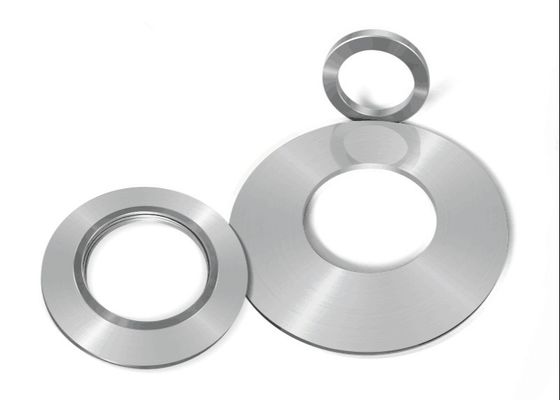
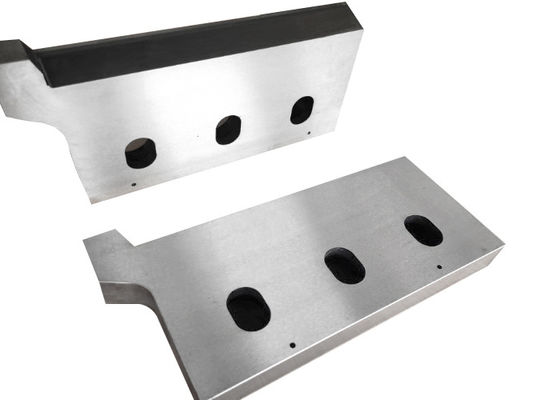
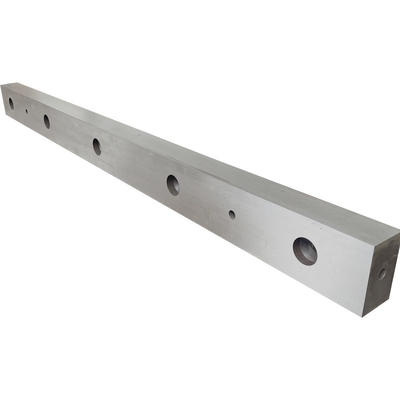
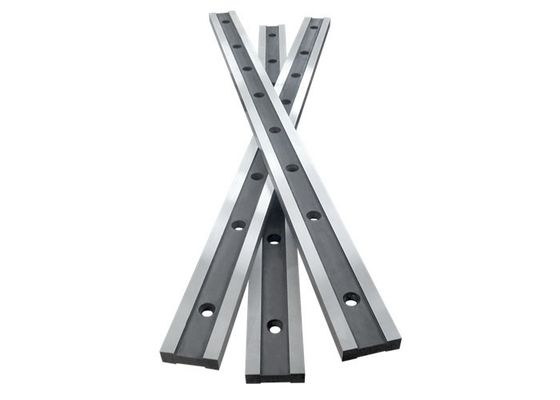
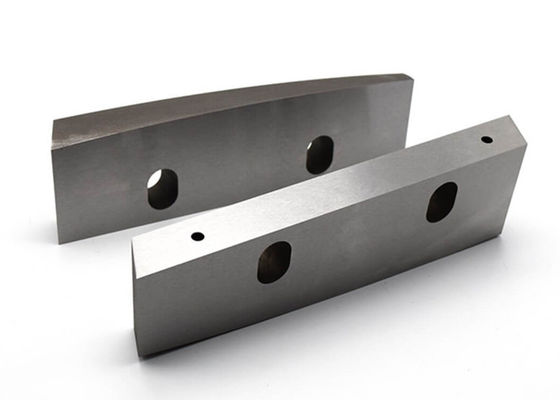
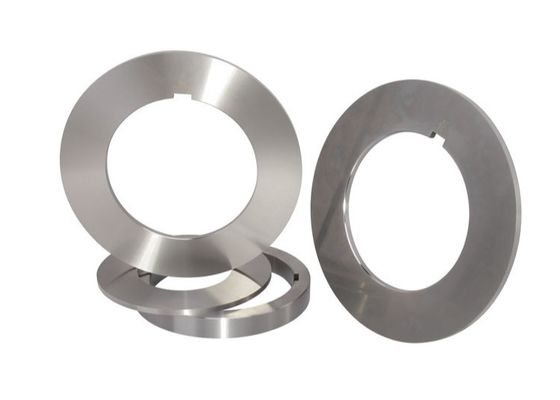
Vì lý do này, các nhà sản xuất ngày càng tập trung vào các lưỡi xẻ chính xác, đóng vai trò quan trọng trong việc duy trì hiệu suất cắt nhất quán trong các dây chuyền xẻ kim loại.
Các vấn đề chất lượng cạnh phổ biến trong các dây chuyền xẻ
Trong hoạt động xẻ kim loại, một số yếu tố có thể ảnh hưởng đến chất lượng của các cạnh dải. Khi hiệu suất lưỡi cắt hoặc điều kiện máy không được tối ưu hóa, các nhà sản xuất có thể gặp phải các vấn đề như:
-
sự hình thành ba via dọc theo cạnh dải
-
bề mặt cắt không đều hoặc thô
-
biến đổi chiều rộng dải
-
biến dạng vật liệu trong quá trình cắt
Các vấn đề này có thể làm giảm chất lượng sản phẩm và tăng yêu cầu xử lý bổ sung.
Vai trò của lưỡi xẻ chính xác
Các lưỡi xẻ chính xác được thiết kế để duy trì điều kiện cắt ổn định trong quá trình sản xuất liên tục. Hiệu suất của chúng bị ảnh hưởng bởi một số yếu tố kỹ thuật.
Lựa chọn vật liệu lưỡi cắt
Vật liệu của lưỡi cắt quyết định khả năng chống mài mòn và độ ổn định cắt của nó. Các vật liệu phổ biến được sử dụng cho dao xẻ bao gồm:
Các vật liệu này cung cấp độ cứng và độ bền cần thiết cho các quy trình cắt công nghiệp.
Độ chính xác sản xuất
Trong các hoạt động xẻ chính xác, độ chính xác kích thước của lưỡi cắt đóng vai trò quan trọng. Dung sai độ dày lưỡi cắt có thể được kiểm soát trong khoảng ±0,001 mm đến ±0,003 mm, giúp duy trì khoảng hở cắt nhất quán giữa các lưỡi cắt.
Kiểm soát xử lý nhiệt và độ cứng
Xử lý nhiệt đảm bảo lưỡi cắt duy trì hiệu suất cắt trong quá trình sản xuất liên tục. Lưỡi xẻ công nghiệp thường có độ cứng khoảng 58–60 HRC, tùy thuộc vào vật liệu và ứng dụng.
Cải thiện chất lượng cạnh thông qua lựa chọn lưỡi cắt phù hợp
Việc lựa chọn lưỡi xẻ phù hợp là rất cần thiết để cải thiện chất lượng cắt trong các dây chuyền xẻ kim loại. Các nhà sản xuất thường xem xét một số yếu tố khi chọn lưỡi cắt:
-
vật liệu lưỡi cắt và khả năng chống mài mòn
-
độ chính xác kích thước của lưỡi cắt
-
quy trình xử lý nhiệt và độ cứng
-
khả năng tương thích với máy xẻ
Bằng cách lựa chọn các lưỡi xẻ chính xác được thiết kế cho môi trường sản xuất cụ thể, các nhà sản xuất có thể cải thiện chất lượng cạnh dải và duy trì hoạt động xẻ ổn định.
Kết luận
Chất lượng cạnh là một yếu tố quan trọng trong hoạt động xẻ kim loại, ảnh hưởng đến cả hiệu suất sản phẩm và hiệu quả sản xuất.
Các lưỡi xẻ chính xác được sản xuất bằng vật liệu phù hợp, độ cứng được kiểm soát và dung sai chính xác giúp đảm bảo điều kiện cắt ổn định và chất lượng dải nhất quán trong các dây chuyền xẻ hiện đại.